
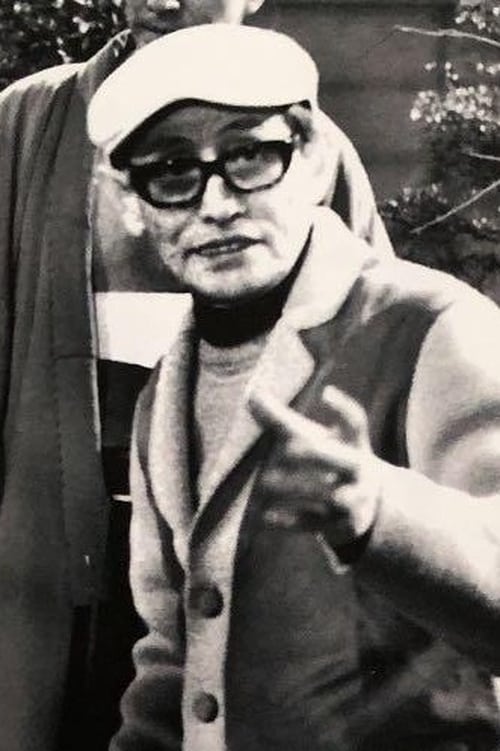
マキノ雅弘
Biographie
Masahiro Makino (マキノ 雅弘, Makino Masahiro, February 29, 1908 - October 29, 1993) was a Japanese film director. He directed more than 260 films, primarily in the chanbara and yakuza genres. His real name was Masatada (正唯), but he took the stage name Masahiro, the kanji for which he changed multiple times (including 雅広, 正博, and 雅裕).
Masahiro Makino was born in Kyoto, the eldest son of the film director and producer Shōzō Makino, who is often called the father of Japanese cinema. As a youth he acted in over 100 films before debuting as a film director in 1926 at age 18.
His critically acclaimed nihilistic jidaigeki such as Roningai (1928) made him one of the top Japanese film directors, but his way of shooting films quickly also earned him detractors. For instance, the total time it took to shoot the 1936 film Edo no Ka Oshō was only 28 hours.The critic Sadao Yamane, however, has argued that this fast filming practice also contributed to Makino's speedy, rhythmic film style. Rhythm and tempo are important to his films, and so in his jidaigeki, fight scenes like in Kettō Takadanobaba (1937) could seem like dances, or entire sequences, like in Awa no Odoriko (1941), could be filled with dance. He made musicals like Singing Lovebirds (1939) and even his wartime propaganda films like Hanako-san and Ahen senso (both 1943) could have Busby Berkeley-like musical numbers.
After the war, he helmed such popular jidaigeki series as Jirōchō Sangokushi and such ninkyō eiga series as Nihon Kyōkaku-den. He directed his last film in 1972, the retirement film for Junko Fuji, completing a filmography that totaled over 260 films and included films of many genres.
Biographie disponible en anglais sur la source TMDB.
Films et séries avec マキノ雅弘
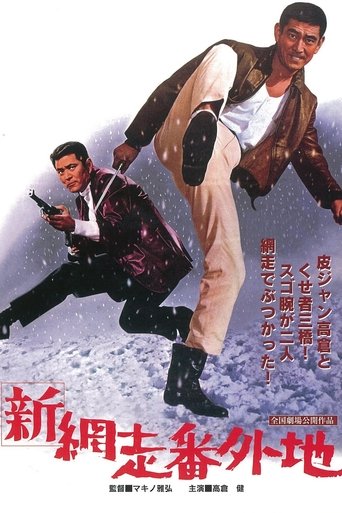
新網走番外地

長谷川伸シリーズ

たつまき奉行

血煙高田の馬場
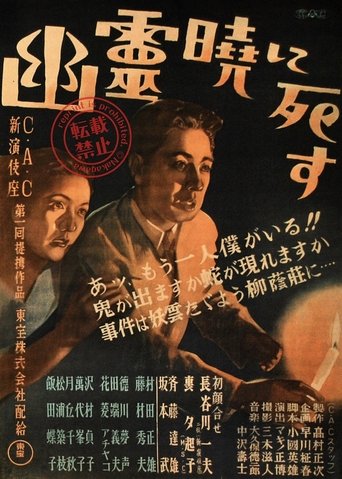
幽霊暁に死す
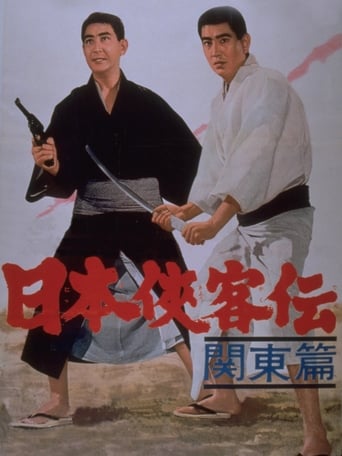
日本侠客伝 関東篇
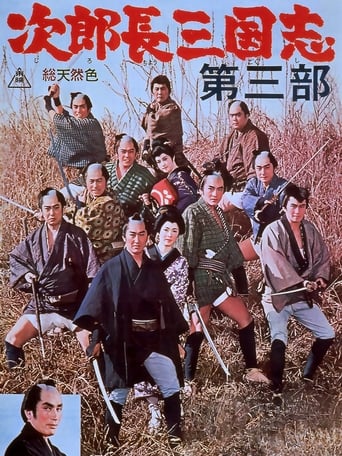
次郎長三国志 第三部
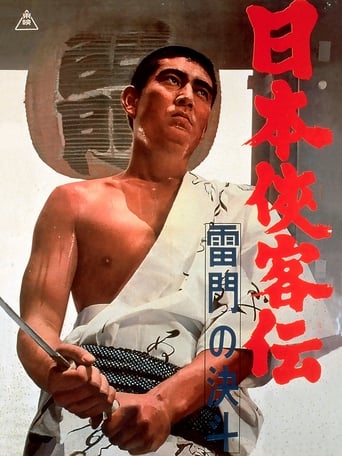
日本侠客伝 雷門の決斗
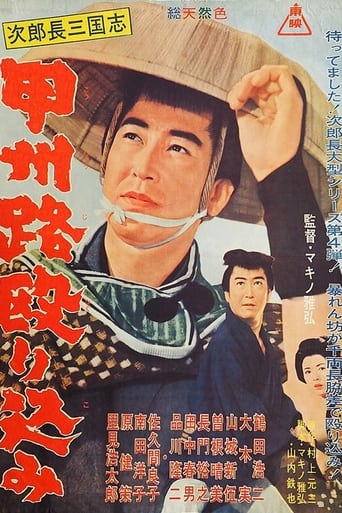
次郎長三国志 甲州路殴り込み
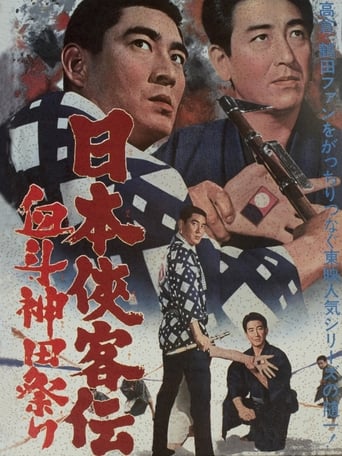
日本侠客伝 血斗神田祭り
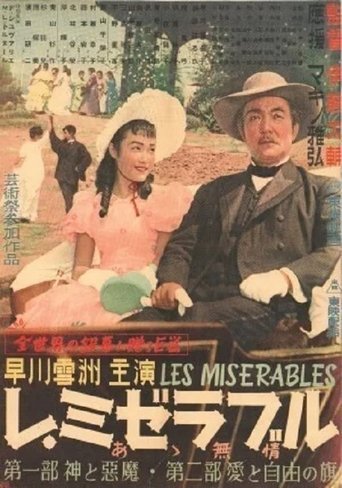
レ・ミゼラブル あゝ無情 第二部 愛と自由の旗
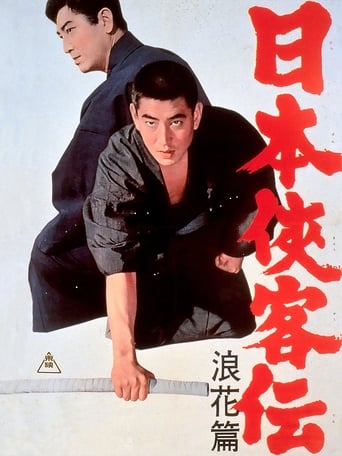
日本侠客伝 浪花篇

日本侠客伝 花と龍
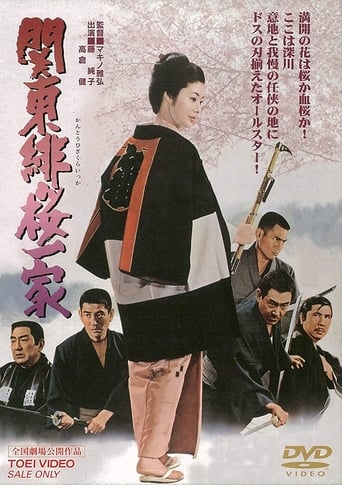
Junko se retire : La Grande Famille des cerisiers rouges du Kantō
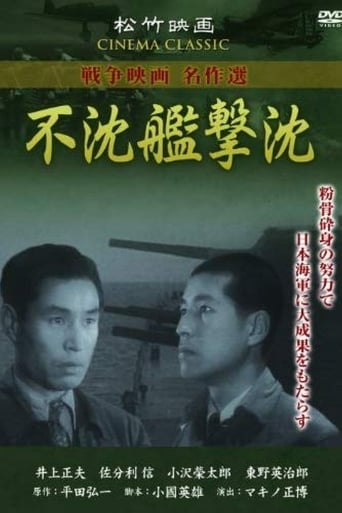
不沈艦撃沈
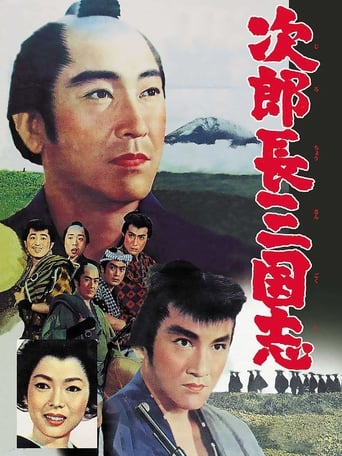
次郎長三国志
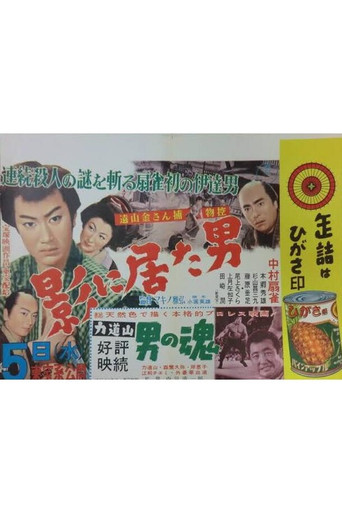
遠山の金さん捕物控 影に居た男
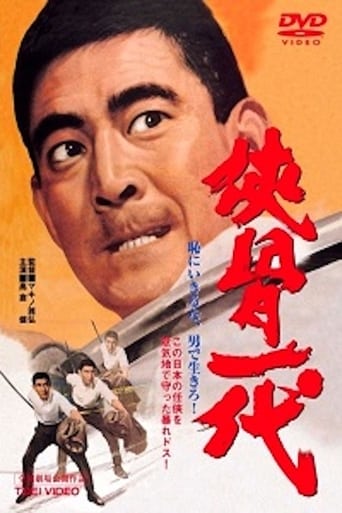
侠骨一代
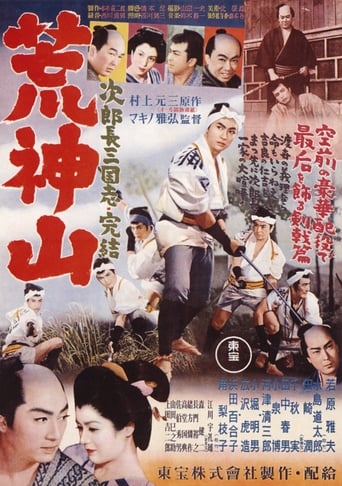
次郎長三国志 第九部 荒神山
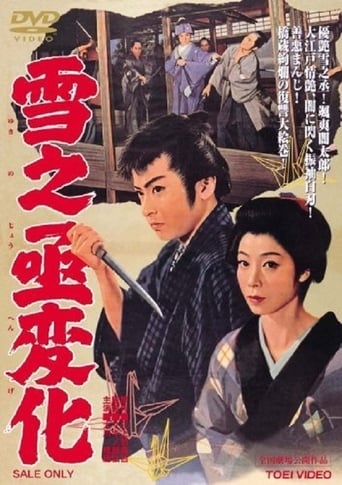
雪之丞変化
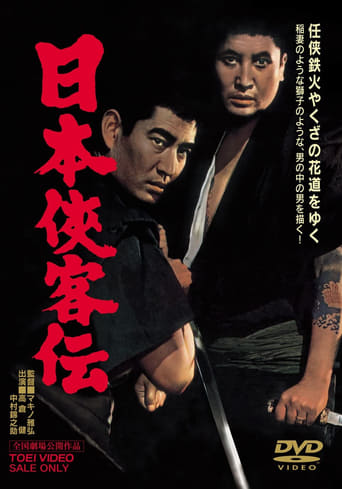
La légende des yakuzas

日本侠客伝 絶縁状

昭和残侠伝 血染の唐獅子
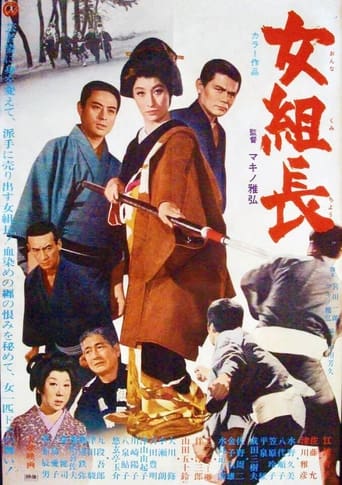
女組長
